

Why Rural Founders Should Develop Climate Resilience Strategies… Now
The risks AND opportunities for rural businesses

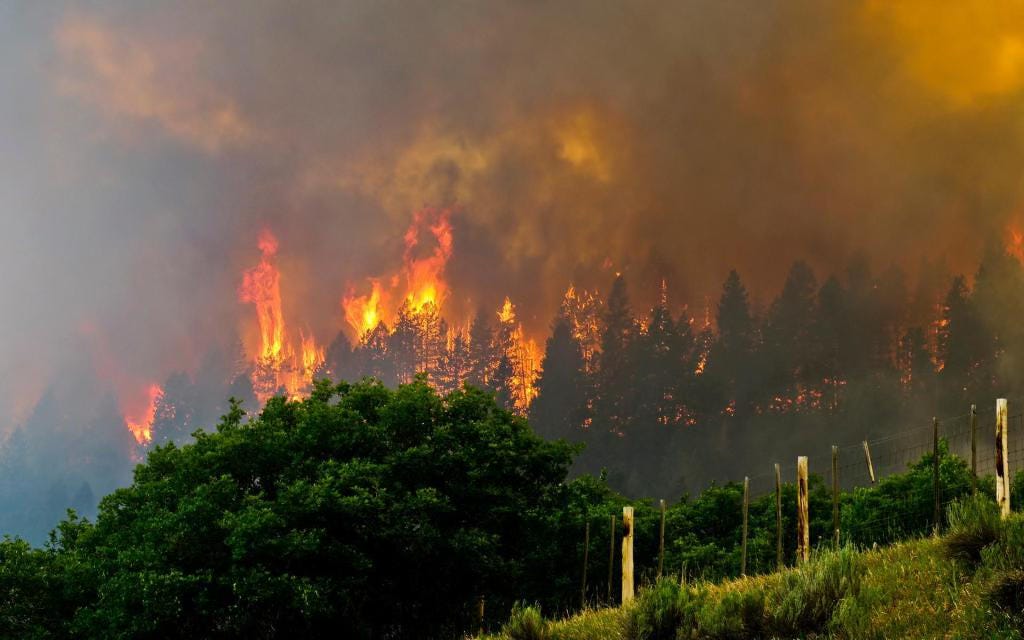
In the summer of 2018, wildfire tore through the drought-stricken mountains above Durango, Colorado. As it grew to 57,000 acres, the town was draped in a curtain of smoke. It was peak tourist season, yet one economic driver after another shut down—the Durango & Silverton Narrow Gauge Railroad, which sparked the fire, then the San Juan National Forest.
Many business owners reported that the 416 Fire had a significant impact on their sales. With tourism sharply down, the city’s sales tax revenue dropped by 5.6%, and the local lodger’s tax fell by 13.2% in June compared to the previous year. While county tax revenue saw a recovery in July and August, it remained low compared to 2017.
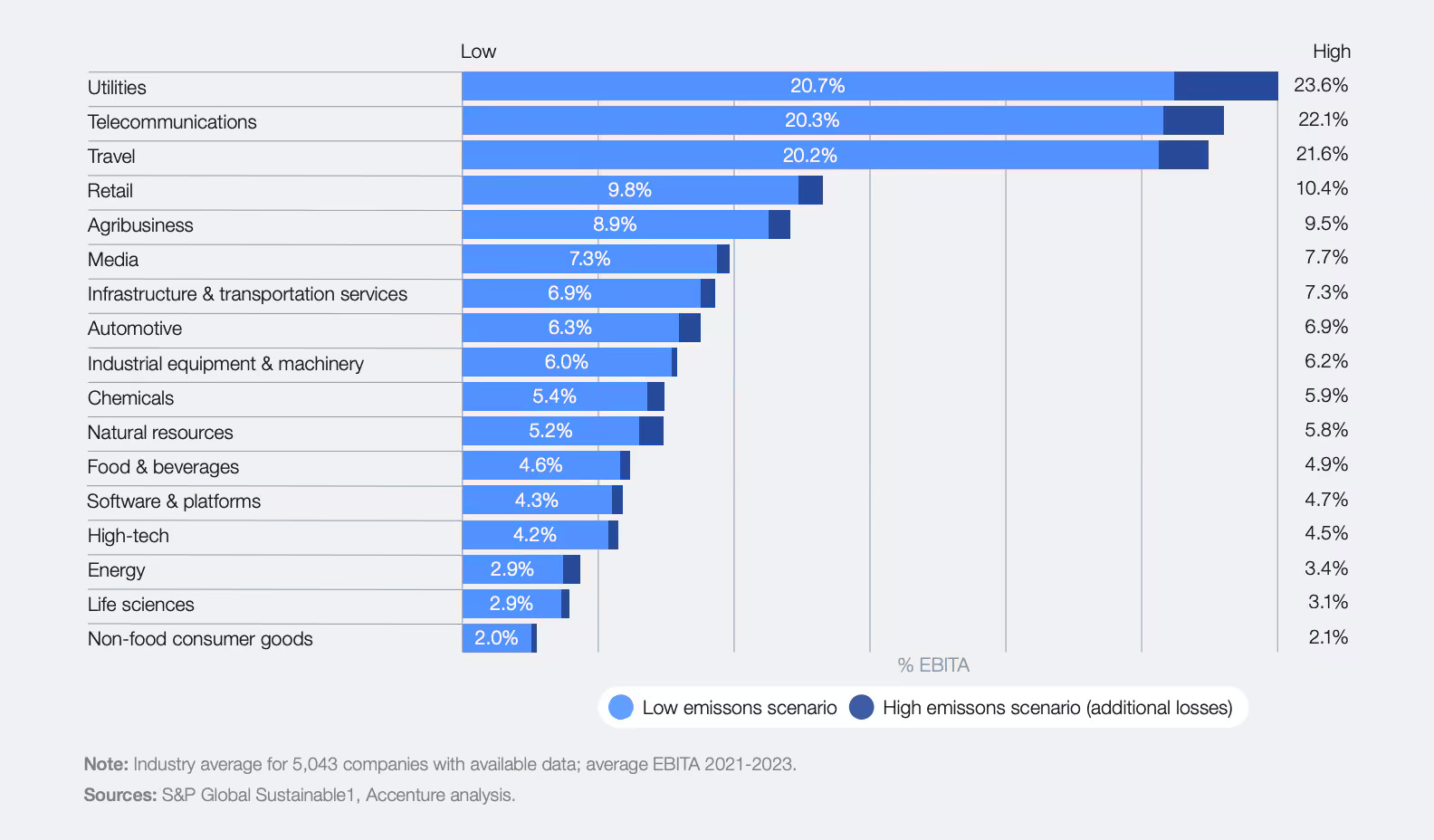
As natural disasters and other climate hazards increase in frequency and severity, the financial toll is on the rise. A recent World Economic Forum (WE Forum) report, produced in collaboration with Accenture, estimates that by 2035, climate hazards could cause $560–610 billion in fixed asset losses annually for publicly listed companies by 2035. This figure equates to a 6.6% to 7.3% drop in average annual company earnings.
“A company that isn't accounting for climate resilience is facing declining profitability and potential bankruptcy. A company that is building resilience into their systems is setting up for long-term competitive advantage and growth,” said Gill Einhorn, Head of Innovation and Transformation at the WE Forum.
The report, Business on the Edge: Building Industry Resilience to Climate Hazards, advises business leaders to implement climate resilience strategies within the next 24 months for maximum effectiveness.
While the report’s focus is primarily on large corporations, rural businesses are not immune—and may in fact be more susceptible—to the financial risk posed by climate hazards. From local impacts on agriculture and tourism to supply chain disruptions halfway around the world, rural founders need to start building climate resilience into their business strategies.
But what is climate resilience and how can rural founders think strategically about it?
In this week’s issue of The Rural Startup, we’re speaking to the authors of the new WE Forum report, Gill Einhorn and Dominic King, EMEA Research Lead at Accenture.
Today, we’re focusing specifically on why rural founders should integrate climate resilience into their business decisions. While we’ll cover the serious risks ahead, we'll also look at how founders can explore new opportunities to build successful businesses.
Why Climate Resilience is Essential for Rural Businesses
The threat climate change poses to companies is extremely complex, given our interconnected global economy. The WE Forum breaks these risks into three categories:
Direct operational costs: impact of climate hazards on fixed assets; or, in the example of the 416 Fire, the loss of revenue due to tourism impacts.
Supply chain disruption: interruptions caused by climate hazards at any stage of the supply chain, from sourcing and production to distribution and shifts in consumer demand.
Instability in nature and society: business health is directly connected to the society and environment in which they operate; for example loss of worker productivity due to extreme heat.
“Many small and medium enterprises, like big business, are already experiencing these impacts,” Gill said. “Some of them just haven't connected it back to the overarching climate and Earth system changes that are causing increased hazards.”
Even if you don’t have fixed assets or local employees, your business could still be impacted by climate hazards within the value chain.
For example, you’re launching an outdoor apparel company that sources organic cotton from India, manufactures in Vietnam, and distributes from a center in Los Angeles. At any point in this chain, your business operations are at risk to climate hazards. Main Street retailers can be impacted by such a disruption as well, if a large percentage of their vendors are affected. This is not dissimilar to the supply chain disruptions caused by the pandemic and recent tariffs.
The report analyzed the risk of numerous climate hazards, including wildfire, extreme heat, and drought on companies worldwide.
“Extreme heat, from a profitability perspective, is by far the most concerning hazard,” Gill said.
It accounts for 72-73% of the potential fixed asset losses over the next decade. Among the industries most exposed are telecommunications, utilities, and travel, which could see a 20% drop in annual earnings. (For reference, 2024 was the hottest year on record for the contiguous United States.)
Business owners who understand the risks they face—climate-related or otherwise—are better prepared to adapt and stay in business. For rural startups, proactively adopting climate resilience strategies can not only reduce risk, but also position them as sustainability leaders, attracting potential funding and partnerships.
If you’re an early-stage founder, integrating climate resilience into your decisions from the beginning can help you manage future challenges more effectively. And if you’re still in the ideation phase, identifying climate risks in your industry could even inspire a new business opportunity.
Climate Resilience: Getting Started
If you’re just getting started, here is a high-level overview of how you can start thinking about climate resilience. For specific examples and advice, the WE Forum covers several industries in detail, including: Food and Agriculture, Tech, and Health and Well-being.
Conduct a Climate Risk Assessment
Start by assessing the climate impacts your business is experiencing already. Contact vendors and suppliers. Talk to your employees, partners, and even competitors. Try to gain a full understanding of your current risk exposure. Remember, we’re looking for both physical and transition risks and opportunities.
Once that’s done, analyze projected climate risks across your value chain. This could include direct loss from wildfire or increased cost of hardware maintenance.Develop contingency plans and procedures
Once you’ve identified the climate hazards most likely to impact your business and assessed their affect on your operations, develop contingency plans that outline clear procedures for protecting employees, securing assets, and maintaining critical business functions during disruptions.
If you’ve identified supply chain disruptions as a potential risk—or have already faced them—taking a diversified approach to sourcing and logistics can help strengthen your overall economic resilience. Similarly, if your business depends on tourism, expanding your customer base beyond the local area can offer protection against disruptions like wildfires.Collaborate and build partnerships for solutions
The report calls for bold partnerships “across the value chain and with local communities to embed resilience and adaptation to withstand growing climate hazards.” Rural founders and communities, which often have strong cultures of collaboration, are well-suited for the challenge. Connect with other founders and community leaders to analyze local risks and support collective strategic planning.
There’s also opportunity for shared investment in solutions.
“What do small companies lack?” Dominic asked. “It's probably the scale to invest in new technologies and innovation. So, can you come together to co-invest in some of these technologies?”Integrate climate resilience into all your decision-making
Make resilience a factor in all major business decisions by evaluating how climate risks may affect long-term investments, operations, and assets. Include resilience criteria and cost-benefit analyses in capital planning and ensure your investments remain viable. Prioritize strategies that not only reduce risk but also create economic opportunities within your company, community, and across your value chain.
“You don’t need to be a conservationist or even particularly concerned about the environment for this to matter,” said Brittany Romano, Startup Colorado’s Executive Director. “Climate resilience isn’t just about protecting the planet—it’s about protecting your bottom line. Regardless of your stance on climate change, ignoring these risks is a gamble most businesses can’t afford to take.”
If you’re interested in learning more about climate risk to business and developing resilience strategies, check out these reports from the World Economic Forum:
The Cost of Inaction: A CEO Guide to Navigating Climate Risk
Business on the Edge: Building Industry Resilience to Climate Hazards
You can also find a catalog of Gill Einhorn’s writing on business and climate change here.
And if you’re a climate innovator, check out programs and opportunities through the Colorado-Wyoming Climate Resilience Engine and Innosphere Ventures.
Lastly, if you’re interested in learning more, subscribe to The Rural Startup. In addition to other topics related to rural entrepreneurship, we’ll be covering climate resilience in more detail.
This newsletter is powered by Startup Colorado. We believe that anyone should have the ability to start and scale a business in the place they call home. And in Rural Colorado, we’re seeing the power of entrepreneurship transform communities and lives, proving that the spark of innovation can—and should—be kindled outside urban hubs.
Written by Margaret Hedderman, Director of Content & Brand Strategy at Startup Colorado, with support from Gill Einhorn and Dominic King.